
In only a few decades, the introduction of synthetic plastic and plastic pollution has created an unbelievable impact on our environment and ecosystem. Humanity created this problem, and humanity still can do everything in its power to reverse or at least slow down these devastating impacts.
As consumers, we need to consider and measure the impact that plastic has on the environment. We’ve all seen the headlines about the huge environmental problems caused by single-use plastics. Big brands, supermarkets and the government have the power to make the big changes that are needed. But we can be powerful too and have an impact, as consumers. It’s also a massive pollution problem. Wildlife becomes ensnared in discarded plastic and microplastics are eaten by ocean creatures.
Unfortunately, simply recycling plastic is not enough. The fact of also recycling plastic does not regulate and does not justify the fact of consuming it at home. We, the citizens and consumers, must then act individually, with simple everyday gestures in order to reduce the use of plastic before it is too late.
But why should we reduce the use of plastic and what are the actual outcomes ?
Here is why you should reduce plastic in your daily life.
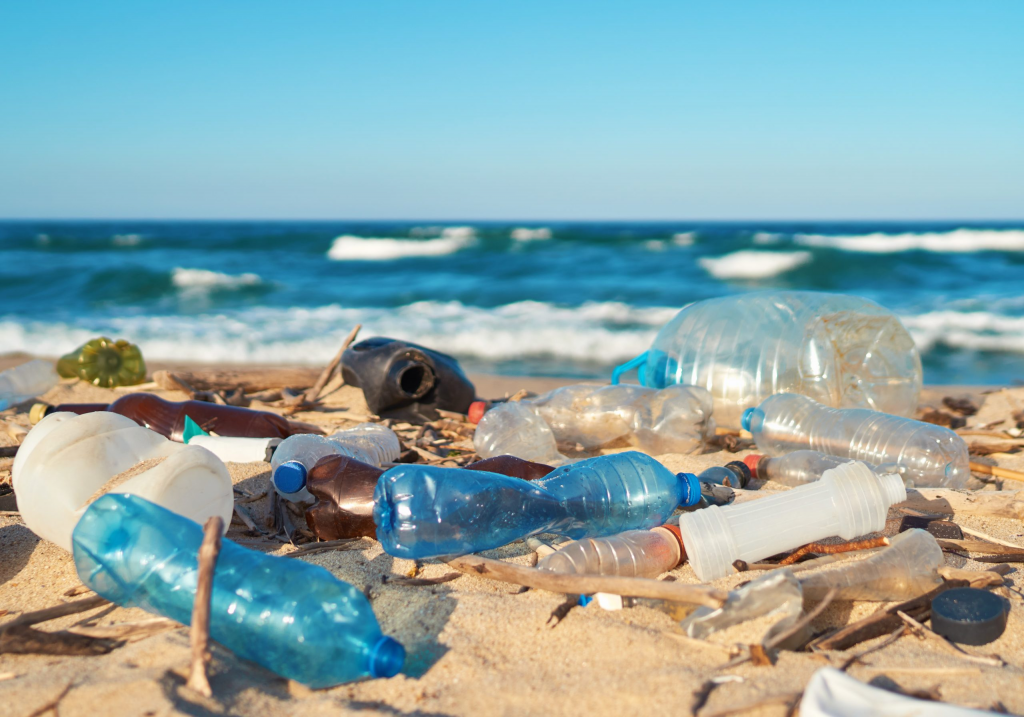

When scientists discovered plastic, it was praised for his convenience, usability in the long term and low cost.
Years later after its discovery, opinion has greatly changed. This material, hailed to make our lives easier and nowadays, has been used too much and that reaches its limits in particular by degrading our environmental spectrum by its wide consumption, professionally and individually.
Reducing the use of plastic is essential because plastic production requires an enormous amount of energy and resources. This causes carbon emissions and contributes to global warming.
“Recent figures suggest that 8 million pieces of plastic are entering oceans around the world every day. This is directly linked to the deaths of 1 million seabirds every year.” (ecoandbeyond.co)
The durability of plastic is both a blessing and a curse. A plastic water bottle holds our drink without leaks or making it too heavy to carry. Plastic is cheap so that keeps the costs of our drinks down too. [Saut de retour à la ligne]But that same water bottle will take hundreds of years to break down. During this time, it will break down into smaller and smaller pieces. Until it becomes microplastics, which are now [Saut de retour à la ligne]thought to be entering the food chain and even our bodies.
What Will Happen If We Don’t Act Now ?
It’s fair to say that we couldn’t live without certain plastic products. But as consumers, we must now adopt responsible behavior to reduce its use, particularly with bottles, packaging, coffee cups, straws and cutlery (knives,spoon,fork). And fast.
The view of plastic pollution in 50 years. Currently, the role plastic has played in the destruction of our environment is bleak enough. But when we zoom out to project 50 years into the future, the forecast is even more dismaying.
“As plastic continues to grow in distribution, so will the hormonal and chemical effects onto our bodies, water systems, and air. By 2050, researchers believe that there will be more plastic than fish in the ocean as the rate of plastic production and plastic pollution continues to compound with each coming year. Further, the creation of plastics heavily utilizes fossil fuels, which has been inextricably linked to the quickening of climate change.” (blog.gopurepod.com)
How Does Recycling Help Reduce Pollution ?
Recycling is the key to helping the environment and our health improve and is undoubtedly a way to reduce pollution.
- It protects ecosystems
Recycling reduces the need to grow, harvest and extract raw materials from the earth for additional products. It means fewer forests will be cut down, wild animals will be less harmed or displaced, no more diversion of rivers and as such, less pollution of the soil, water and air. Also if more plastics are recycled, less of them will find their way into the ocean waters, damaging marine life.
- It saves energy
Making products from recycled materials requires less energy as compared to making them using raw materials. The huge difference in energy means less pollution. Saving on energy means fewer strains on the power grid, which means less carbon is emitted at the power plant as a result of drawing too much energy.
- It conserves natural resources
The point of avoiding pollution is to preserve natural resources. Recycling is a wonderful tool that will make new products, and at the same time avoid pollution, by conserving natural resources. For instance, recycling paper and wood saves trees and forests.
Recycling plastic means creating less new plastic which is beneficial for the environment, especially because plastics are made from hydrocarbons, which terribly pollute the environment.
The solution is in our hands – reducing (as much as we can) the use of plastics to preserve animals, the environment and our own planet & health.