Just a reminder on the regulations of plastic products that are now banned from sale and use on the market : It means that the following products should be made from natural materials and not plastic :
cutlery (forks, knives, spoons, chopsticks);
plates;
straws;
cotton bud sticks;
beverage stirrers;
sticks to be attached to and to support balloons;
food containers made of expanded polystyrene;
products made from oxo-degradable plastic.
What you need to know as a consumer :
EU countries are required to take measures to reduce the consumption of certain single-use plastics for which there is no alternative (drinking cups including covers and lids, and containers of prepared food for immediate consumption); monitor consumption of these single-use products as well as the measures taken and report the progress made to the European Commission.
This change is expected to take place and progress by 2026 with the maximum reduction of these plastic products.
In the same way and according to the EU directive, more than 90% of plastic bottles should be recycled by 2029; these bottles should contain at least 25% recycled plastic in their manufacture by 2025 (for PET bottles), and 30% by 2030 (for all bottles).
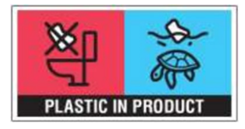
For products that still contain plastic and cannot be replaced, they must be clearly advertised,visible, clearly legible and indelible marking affixed to its packaging or to the product itself with the mention “ PLASTIC IN PRODUCT ”:
These include :
sanitary items
wet wipes
tobacco products with filters
drinking cups
These labels should inform consumers about appropriate waste management options for the product or what type of waste disposal should be avoided for the product but also about the presence of plastics in the product as well as the negative environmental impact of littering.
TARGETS
According to the European Parliament, by “31 December 2025, at least 65% by weight of all packaging waste must be recycled”. The materials covered are as follows :
50% of plastic
25% of wood
70% of ferrous metals
50% of aluminium
70% of glass
75% of paper and cardboard
By 31 December 2030, at least 70% by weight of all packaging waste must be recycled. This includes :
55% of plastic
30% of wood
80% of ferrous metals
60% of aluminium
75% of glass
85% of paper and cardboard
Because it is through these actions that we can move things forward and preserve our future and our environment.
Plastic is everywhere in our daily life. Useful, cheap and very convenient. This material is used in all sectors of activity. For several years, the major problem we have to face is that this material is used by man without end and without limit then gradually destroying the environment in which we live.
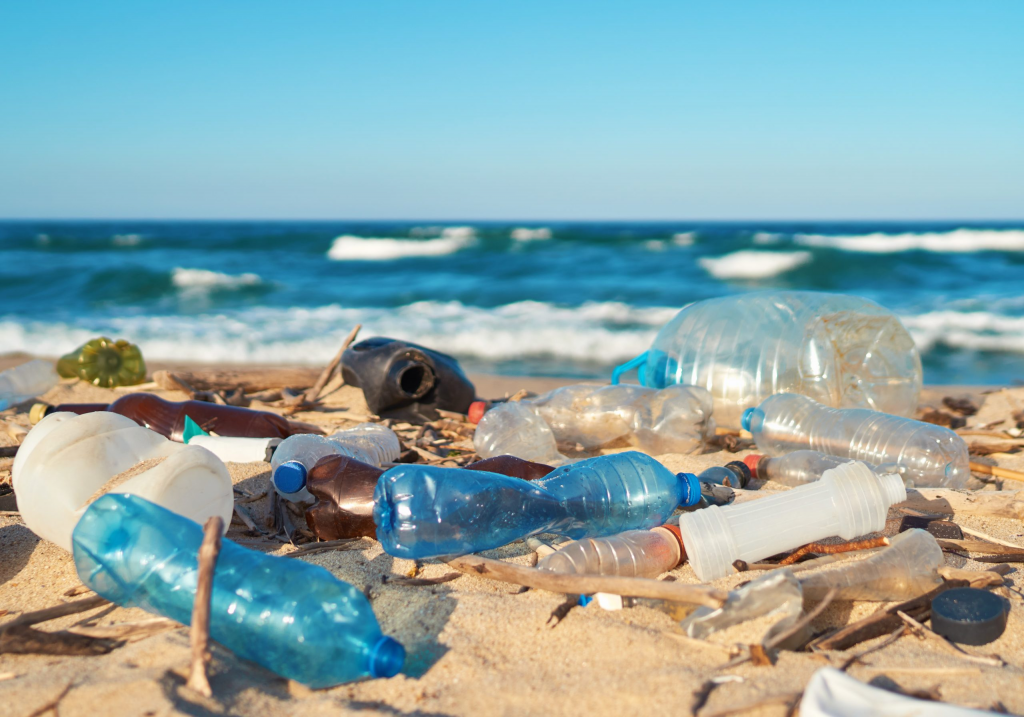
According to Greenpeace.com “Plastic is incredibly versatile and long-lasting, finding its way into every corner of our lives. But the very qualities that make plastic so useful also make it a huge problem. Cheap and disposable plastic has been a symbol of our throwaway culture. As a result, vast quantities pollute our world. Much of it flows into the oceans, turning them into a plastic soup. A truckload of plastic enters the ocean every single minute and UK supermarkets produce 800,000 tones every year. With production increasing, that’s set to rise.”
Source : bioplasticsnews.com
“To halt the decline of an ecosystem, it is necessary to think like an ecosystem.”
—Douglas P. Wheeler, EPA Journal, September-October 1990
The use of biodegradable and non-polluting straws is increasingly used on the market to replace plastic straws that are illegal to use. In this article you will find out why it is important to use these new types of straws as well as the straws that our company, Replant MT offers and why they are better than all the others already offered on the Maltese market.
Eco-friendly straws are compostable and non-toxic, which is a perfect alternative for chemically processed plastic straws and paper straws. Manufacturing companies are trying to create eco-friendly straws that look stylish and trendy. Bars, restaurants, and cafes are adopting the use of eco-friendly straws as it gives an elegant touch to the dining experience. These straws are made from sustainable and eco-friendly materials such as wood, paper, bamboo, and wheat for disposable straws and silicone, metal, and glass for re-usable straws.
What are the benefits of using biodegradable straws?
One of the main benefits of using biodegradable straws is that it is very eco-friendly and sustainable. Biodegradable straws are manufactured from renewable sources so by purchasing these types of straws, you are playing a part in keeping non eco-friendly garbage out of landfills. Not only that, the production of biodegradable straws means fewer carbon is emitted. Therefore, by using these types of eco-friendly straws, it helps by reducing the air pollution and carbon emissions in general. Water usage is also an important factor to consider. Production of paper straws uses large amounts of water, whereas natural alternatives use significantly less water.
As a consumer using paper straws, you quickly feel the difference between paper and Replant’s products because the paper straw becomes wet and soggy very quickly, making it difficult to consume the drink and can sometimes even completely block the passage of the liquid.
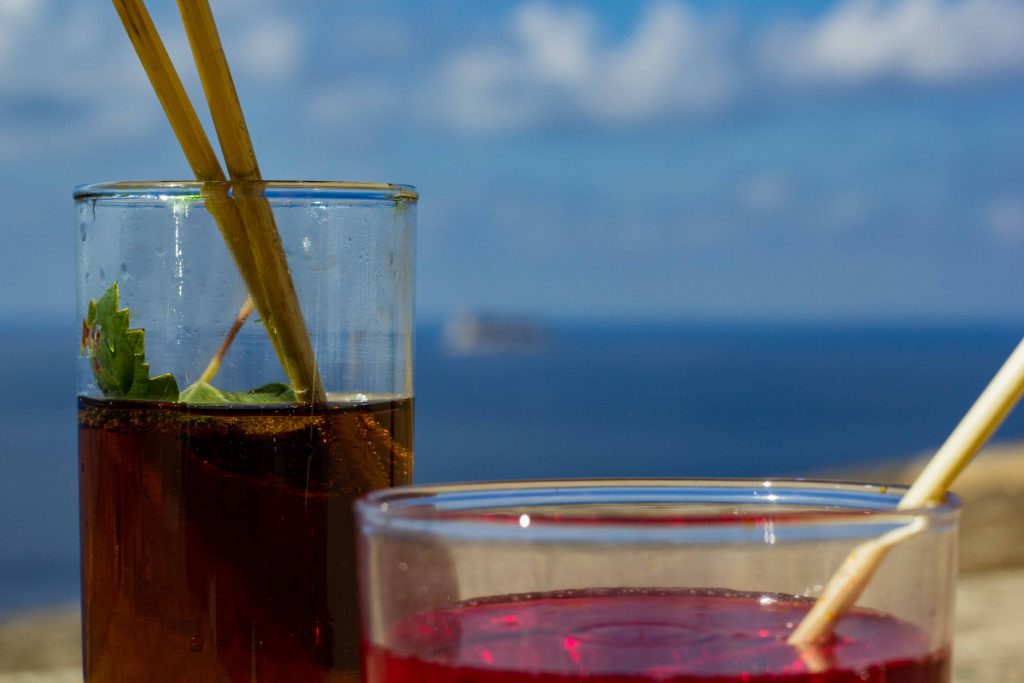
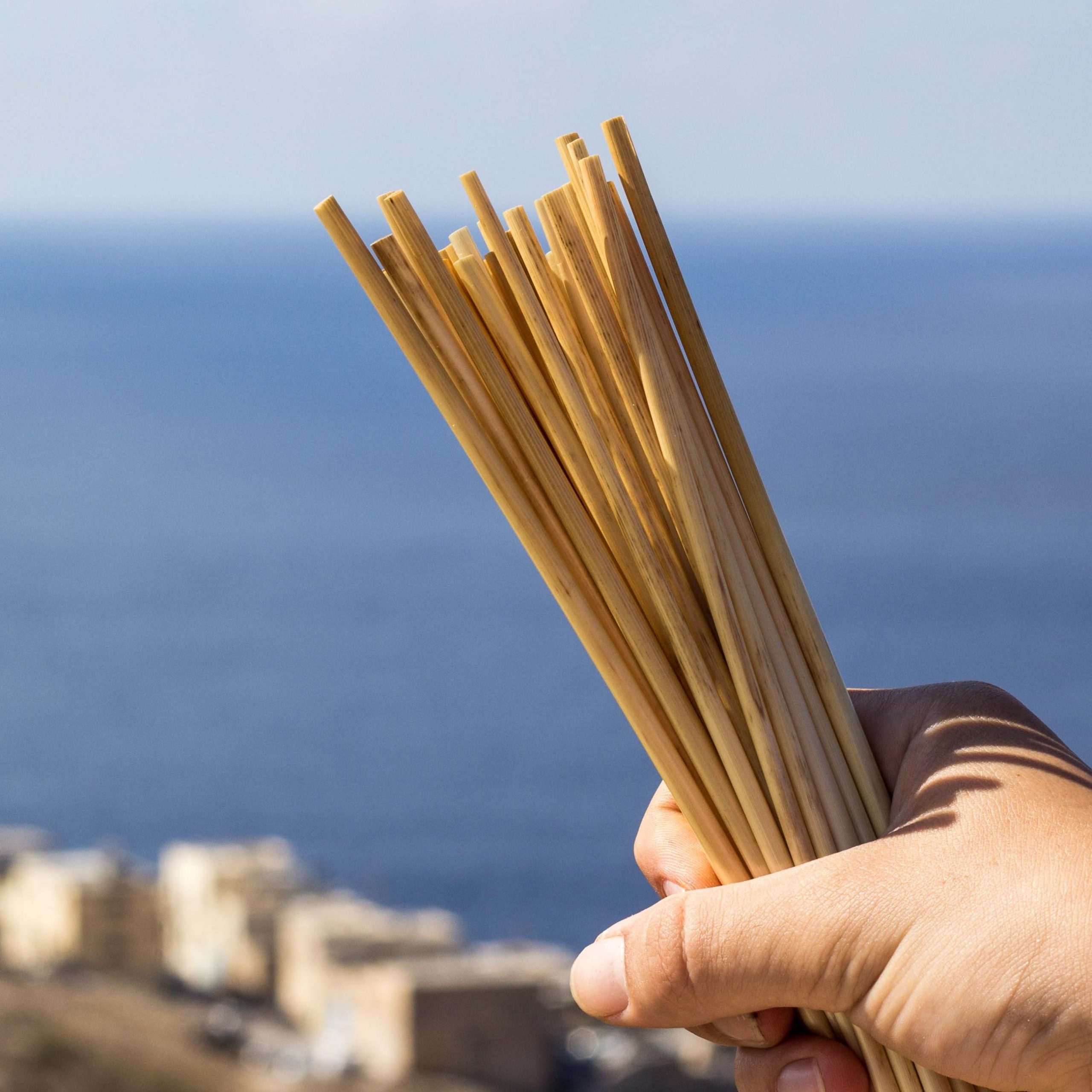
At Replant MT, on the environmental side, our straws, made with wheat are compostable and if they are thrown into nature or the sea, they decompose without degrading the environment. On the marketing side, they are very aesthetic and are suitable for cocktails & soft drinks mainly.
In conclusion, these straws are quicker to decompose and will not affect marine life and nature in genral, making your business look more attractive to customers and the general public. Not only that, overall these straws bring much better benefits in terms of cost, biodegradability and durability in the long term.
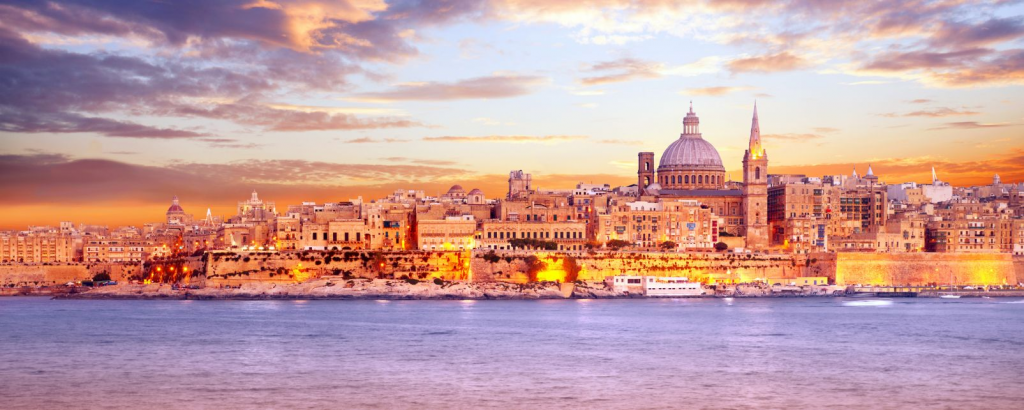
Did you know that Malta is one of the most polluted countries in Europe? We will see in this article the reasons that make the island very polluted also where is the ecological situation of the island.
Air Pollution:
Air pollution is one of the major problems that the country is facing. Malta is the second-most country in Europe with the worst air quality.
This is particularly due to the many vehicles circulating on the island, but also to the cruise ships that are much more polluting than cars. Every year, about 80 such boats pass through Malta and circulate sulphur in the air. So it does not help the airquality.
The largest contributors to Malta’s air pollution are road transport, agriculture, power plants, industries and household appliances.
The Production of plastic waste :
In Malta, plastic is now one of the major environmental problems. According to OhMyUp “In 2016, plastic production was 8,714 tons, with 10% recycled and 90% landfilled. And what’s more, these landfills are soon full.” Every year, for example, the population of Malta use around 800,000 plastic toothbrushes. This is now equivalent to a total of 20 tons of plastic (all cumulated year after year). “In 2017, the Let’s Do It Foundation organized a national cleanup during which they found 1862 garbage bags. 465 of these bags contained plastic bottles.”
THE SOLUTIONS PUT IN PLACE TO IMPROVE THE CURRENT SITUATION : Here are the different possible solutions put in place to improve Malta’s current ecological situation :
Protection of the mediterranean against pollution :
Malta was one of the first countries in 1976 to accept the Barcelona Convention for the Protection of the Mediterranean against Pollution.
“The Protocol on Pollution of the Mediterranean Sea by Dumping Operations from Ships and Aircraft (Dumping Protocol) was adopted in 1976 and entered into force in 1978. Its objective is to take all appropriate measures to prevent, reduce and eliminate, as far as possible, pollution of the Mediterranean Sea resulting from dumping operations of waste and other matter.” (unep.org)
Elimination of single-use plastic products :
In May 2019, the Maltese authorities introduced a strategy to eliminate single-use plastic products in order to stop plastic pollution. The aim is to publish a law banning all disposable plastic products; such as straws, cutlery, plates and cotton swabs. This law was passed in January 2021. Therefore, it is prohibited to market these types of products in Malta, in order to improve plastic pollution.
Consumers can help by reducing the amounts of useless, single and temporary-use plastics that are purchased such as for example food packaging and plastic (or now “bio-plastic”) bags
CONCLUSION :
The country still needs to improve and make more effort to be able to see concrete results on the environment and the use of plastic in everyday life, which is very present ink. However, it can be seen that the Maltese Government has put in place some actions in recent years aimed at contributing to a better environment.
At Replant Malta, our vision is to reduce the use and consumption of plastic that is increasingly destroying our oceans and our environment around which we live. As a result, we too, as consumers, adopt an environmentally-conscious behavior in our own lives in order to be more “green” and environmentally friendly choices. And while we know a great deal about sustainable living, the advent of new options and best practices means that we’re constantly evolving and learning how to be more sustainable every day. Adopting the right actions for a healthier environment has become important because together we can make a difference.
OUR PRODUCT
Indeed, our straws are made from natural straw stems;
They can be disposed in organic bins and even thrown away into the sea, they destroy themselves without polluting. Perfect for cocktails, smoothies, hot & soft drinks, our straws help the environment by polluting less. So you can enjoy while taking a step towards a healthier and greener environment.
www.replant.mt
“Preservation of our environment is not a liberal or conservative challenge; it’s common sense.”
—President Ronald Reagan (1911-2004), State of the Union address, 1984
What does sustainable living mean?
According to substainablejungle.com : “Sustainable living is a practical philosophy that aims to reduce personal and societal environmental impact by making positive changes which counteract climate change and other negative environmental concerns. More simply, sustainable living is a method of reducing one’s “carbon footprint”. It means using clean energy by reducing your use of natural and non-recyclable resources, basically anything that you know to be environmentally-friendly.
More than that, by choosing to be more sustainable and more green, even by a small measure, you’re ensuring your own future.
In only a few decades, the introduction of synthetic plastic and plastic pollution has created an unbelievable impact on our environment and ecosystem. Humanity created this problem, and humanity still can do everything in its power to reverse or at least slow down these devastating impacts.
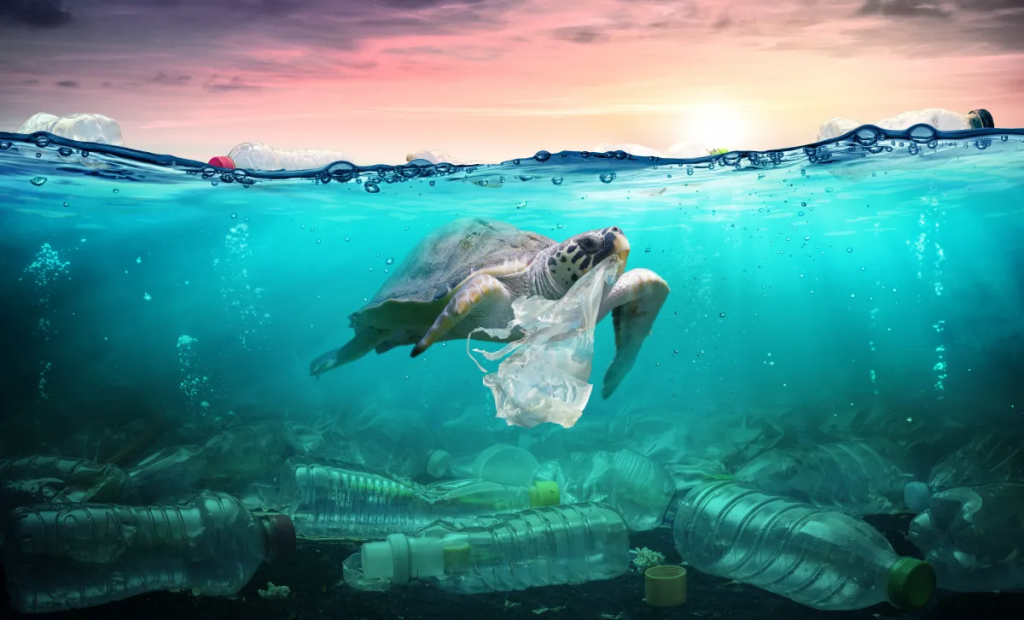
As consumers, we need to consider and measure the impact that plastic has on the environment. We’ve all seen the headlines about the huge environmental problems caused by single-use plastics. Big brands, supermarkets and the government have the power to make the big changes that are needed. But we can be powerful too and have an impact, as consumers. It’s also a massive pollution problem. Wildlife becomes ensnared in discarded plastic and microplastics are eaten by ocean creatures. Unfortunately, simply recycling plastic is not enough. The fact of also recycling plastic does not regulate and does not justify the fact of consuming it at home. We, the citizens and consumers, must then act individually, with simple everyday gestures in order to reduce the use of plastic before it is too late.
But why should we reduce the use of plastic and what are the actual outcomes ?
Here is why you should reduce plastic in your daily life.
Source : earth.com
When scientists discovered plastic, it was praised for his convenience, usability in the long term and low cost. Years later after its discovery, opinion has greatly changed. This material, hailed to make our lives easier and nowadays, has been used too much and that reaches its limits in particular by degrading our environmental spectrum by its wide consumption, professionally and individually.
Reducing the use of plastic is essential because plastic production requires an enormous amount of energy and resources. This causes carbon emissions and contributes to global warming. “Recent figures suggest that 8 million pieces of plastic are entering oceans around the world every day. This is directly linked to the deaths of 1 million seabirds every year.” (ecoandbeyond.co)
The durability of plastic is both a blessing and a curse. A plastic water bottle holds our drink without leaks or making it too heavy to carry. Plastic is cheap so that keeps the costs of our drinks down too. [Saut de retour à la ligne]But that same water bottle will take hundreds of years to break down. During this time, it will break down into smaller and smaller pieces. Until it becomes microplastics, which are now [Saut de retour à la ligne]thought to be entering the food chain and even our bodies.
What Will Happen If We Don’t Act Now ?
It’s fair to say that we couldn’t live without certain plastic products. But as consumers, we must now adopt responsible behavior to reduce its use, particularly with bottles, packaging, coffee cups, straws and cutlery (knives,spoon,fork). And fast.
The view of plastic pollution in 50 years. Currently, the role plastic has played in the destruction of our environment is bleak enough. But when we zoom out to project 50 years into the future, the forecast is even more dismaying.
“As plastic continues to grow in distribution, so will the hormonal and chemical effects onto our bodies, water systems, and air. By 2050, researchers believe that there will be more plastic than fish in the ocean as the rate of plastic production and plastic pollution continues to compound with each coming year. Further, the creation of plastics heavily utilizes fossil fuels, which has been inextricably linked to the quickening of climate change.” (blog.gopurepod.com)
How Does Recycling Help Reduce Pollution ?
Recycling is the key to helping the environment and our health improve and is undoubtedly a way to reduce pollution.
It protects ecosystems
Recycling reduces the need to grow, harvest and extract raw materials from the earth for additional products. It means fewer forests will be cut down, wild animals will be less harmed or displaced, no more diversion of rivers and as such, less pollution of the soil, water and air. Also if more plastics are recycled, less of them will find their way into the ocean waters, damaging marine life.
It saves energy
Making products from recycled materials requires less energy as compared to making them using raw materials. The huge difference in energy means less pollution. Saving on energy means fewer strains on the power grid, which means less carbon is emitted at the power plant as a result of drawing too much energy.
It conserves natural resources
The point of avoiding pollution is to preserve natural resources. Recycling is a wonderful tool that will make new products, and at the same time avoid pollution, by conserving natural resources. For instance, recycling paper and wood saves trees and forests. Recycling plastic means creating less new plastic which is beneficial for the environment, especially because plastics are made from hydrocarbons, which terribly pollute the environment.
The solution is in our hands – reducing (as much as we can) the use of plastics to preserve animals, the environment and our own planet & health.