
Just a reminder on the regulations of plastic products that are now banned from sale and use on the market :
It means that the following products should be made from natural materials and not plastic :
- cutlery (forks, knives, spoons, chopsticks);
- plates;
- straws;
- cotton bud sticks;
- beverage stirrers;
- sticks to be attached to and to support balloons;
- food containers made of expanded polystyrene;
- products made from oxo-degradable plastic.
What you need to know as a consumer :
EU countries are required to take measures to reduce the consumption of certain single-use plastics for which there is no alternative (drinking cups including covers and lids, and containers of prepared food for immediate consumption); monitor consumption of these single-use products as well as the measures taken and report the progress made to the European Commission.
This change is expected to take place and progress by 2026 with the maximum reduction of these plastic products.
In the same way and according to the EU directive, more than 90% of plastic bottles should be recycled by 2029; these bottles should contain at least 25% recycled plastic in their manufacture by 2025 (for PET bottles), and 30% by 2030 (for all bottles).
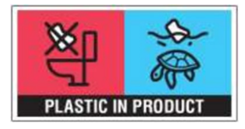
For products that still contain plastic and cannot be replaced, they must be clearly advertised,visible, clearly legible and indelible marking affixed to its packaging or to the product itself with the mention “ PLASTIC IN PRODUCT ”:
These include :
- sanitary items
- wet wipes
- tobacco products with filters
- drinking cups
These labels should inform consumers about appropriate waste management options for the product or what type of waste disposal should be avoided for the product but also about the presence of plastics in the product as well as the negative environmental impact of littering.
TARGETS
According to the European Parliament, by “31 December 2025, at least 65% by weight of all packaging waste must be recycled”.
The materials covered are as follows :
- 50% of plastic
- 25% of wood
- 70% of ferrous metals
- 50% of aluminium
- 70% of glass
- 75% of paper and cardboard
By 31 December 2030, at least 70% by weight of all packaging waste must be recycled.
This includes :
- 55% of plastic
- 30% of wood
- 80% of ferrous metals
- 60% of aluminium
- 75% of glass
- 85% of paper and cardboard
Because it is through these actions that we can move things forward and preserve our future and our environment.