Posted on Leave a comment

REGULATIONS ON PLASTIC PRODUCTS

Just a reminder on the regulations of plastic products that are now banned from sale and use on the market :  
It means that the following products should be made from natural materials and not plastic : 

  • cutlery (forks, knives, spoons, chopsticks); 
  • plates; 
  • straws; 
  • cotton bud sticks; 
  • beverage stirrers; 
  • sticks to be attached to and to support balloons; 
  • food containers made of expanded polystyrene; 
  • products made from oxo-degradable plastic. 

What you need to know as a consumer :

EU countries are required to take measures to reduce the consumption of certain single-use plastics for which there is no alternative (drinking cups including covers and lids, and containers of prepared food for immediate consumption); monitor consumption of these single-use products as well as the measures taken and report the progress made to the European Commission. 

This change is expected to take place and progress by 2026 with the maximum reduction of these plastic products. 

In the same way and according to the EU directive, more than 90% of plastic bottles should be recycled by 2029; these bottles should contain at least 25% recycled plastic in their manufacture by 2025 (for PET bottles), and 30% by 2030 (for all bottles). 

For products that still contain plastic and cannot be replaced, they must be clearly advertised,visible, clearly legible and indelible marking affixed to its packaging or to the product itself with the mention “ PLASTIC IN PRODUCT ”:  
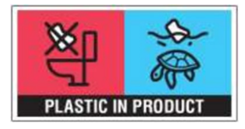
These include

  • sanitary items 
  • wet wipes 
  • tobacco products with filters 
  • drinking cups 

These labels should inform consumers about appropriate waste management options for the product or what type of waste disposal should be avoided for the product but also about the presence of plastics in the product as well as the negative environmental impact of littering. 

TARGETS 

According to the European Parliament, by “31 December 2025, at least 65% by weight of all packaging waste must be recycled”.
The materials covered are as follows : 

  • 50% of plastic 
  • 25% of wood 
  • 70% of ferrous metals 
  • 50% of aluminium 
  • 70% of glass 
  • 75% of paper and cardboard

By 31 December 2030, at least 70% by weight of all packaging waste must be recycled.
This includes : 

  • 55% of plastic 
  • 30% of wood 
  • 80% of ferrous metals 
  • 60% of aluminium 
  • 75% of glass  
  • 85% of paper and cardboard 

Because it is through these actions that we can move things forward and preserve our future and our environment. 
Posted on Leave a comment

Plastic Pollution

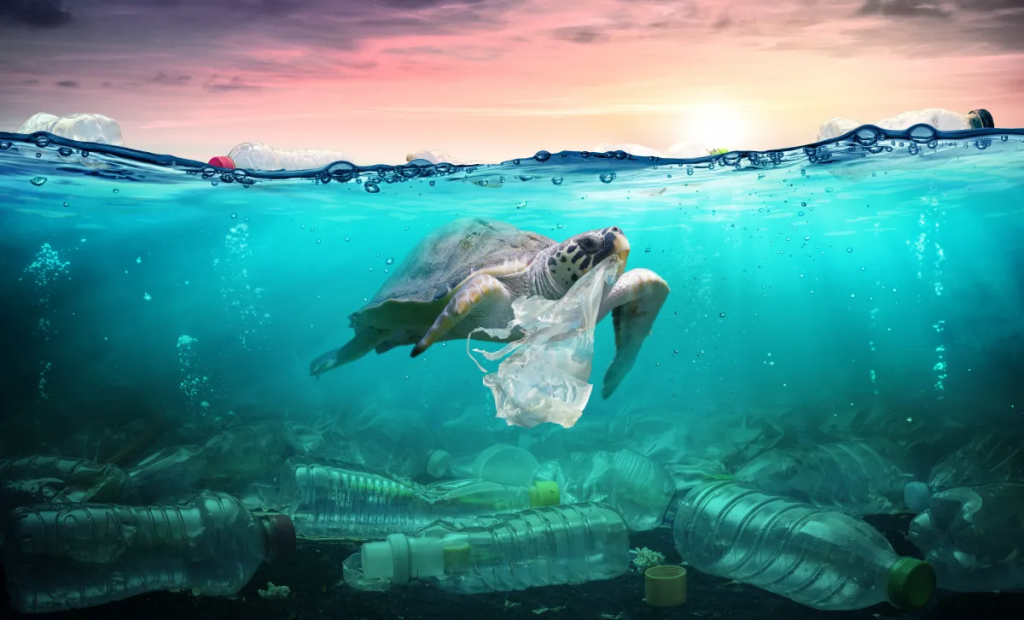
Plastic is everywhere in our daily life. Useful, cheap and very convenient. This material is used in all sectors of activity. For several years, the major problem we have to face is that this material is used by man without end and without limit then gradually destroying the environment in which we live. 

According to Greenpeace.com “Plastic is incredibly versatile and long-lasting, finding its way into every corner of our lives. But the very qualities that make plastic so useful also make it a huge problem. Cheap and disposable plastic has been a symbol of our throwaway culture. As a result, vast quantities pollute our world. Much of it flows into the oceans, turning them into a plastic soup. A truckload of plastic enters the ocean every single minute and UK supermarkets produce 800,000 tones every year. With production increasing, that’s set to rise.” 

Source : bioplasticsnews.com

To halt the decline of an ecosystem, it is necessary to think like an ecosystem.”

Douglas P. WheelerEPA Journal, September-October 1990
Posted on Leave a comment

The use of eco-friendly and compostable straws

The use of biodegradable and non-polluting straws is increasingly used on the market to replace plastic straws that are illegal to use.  
In this article you will find out why it is important to use these new types of straws as well as the straws that our company, Replant MT offers and why they are better than all the others already offered on the Maltese market. 

Eco-friendly straws are compostable and non-toxic, which is a perfect alternative for chemically processed plastic straws and paper straws. Manufacturing companies are trying to create eco-friendly straws that look stylish and trendy. Bars, restaurants, and cafes are adopting the use of eco-friendly straws as it gives an elegant touch to the dining experience. These straws are made from sustainable and eco-friendly materials such as wood, paper, bamboo, and wheat for disposable straws and silicone, metal, and glass for re-usable straws.
Forme 

 
What are the benefits of using biodegradable straws? 

One of the main benefits of using biodegradable straws is that it is very eco-friendly and sustainable. Biodegradable straws are manufactured from renewable sources so by purchasing these types of straws, you are playing a part in keeping non eco-friendly garbage out of landfills. Not only that, the production of biodegradable straws means fewer carbon is emitted. Therefore, by using these types of eco-friendly straws, it helps by reducing the air pollution and carbon emissions in general. Water usage is also an important factor to consider. Production of paper straws uses large amounts of water, whereas natural alternatives use significantly less water.

As a consumer using paper straws, you quickly feel the difference between paper and Replant’s products because the paper straw becomes wet and soggy very quickly, making it difficult to consume the drink and can sometimes even completely block the passage of the liquid. 

At Replant MT, on the environmental side, our straws, made with wheat are compostable and if they are thrown into nature or the sea, they decompose without degrading the environment. 
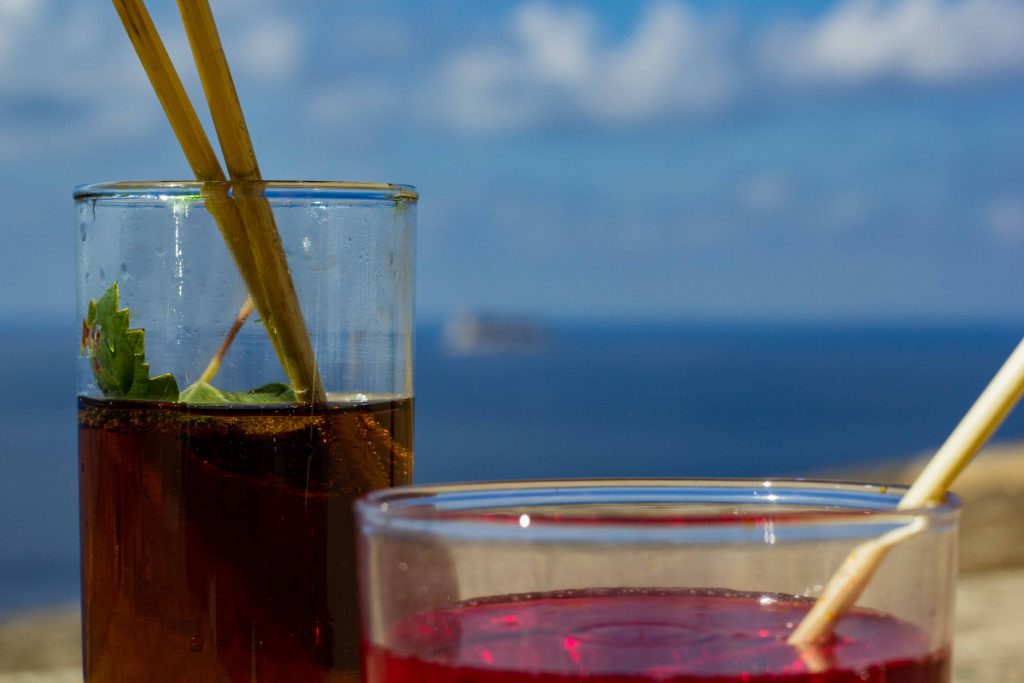
On the marketing side, they are very aesthetic and are suitable for cocktails & soft drinks mainly. 

In conclusion, these straws are quicker to decompose and will not affect marine life and nature in genral, making your business look more attractive to customers and the general public. Not only that, overall these straws bring much better benefits in terms of cost, biodegradability and durability in the long term. 

Posted on Leave a comment

More Green & Substainable for a better life

| Environment, Lifestyle

SUSTAINABILITY

Source : dreamstime.com

At Replant Malta, our vision is to reduce the use and consumption of plastic that is increasingly destroying our oceans and our environment around which we live.  
As a result, we too, as consumers, adopt an environmentally-conscious behavior in our own lives in order to be more “green” and environmentally friendly choices. 
And while we know a great deal about sustainable living, the advent of new options and best practices means that we’re constantly evolving and learning how to be more sustainable every day. Adopting the right actions for a healthier environment has become important because together we can make a difference. 

OUR PRODUCT  

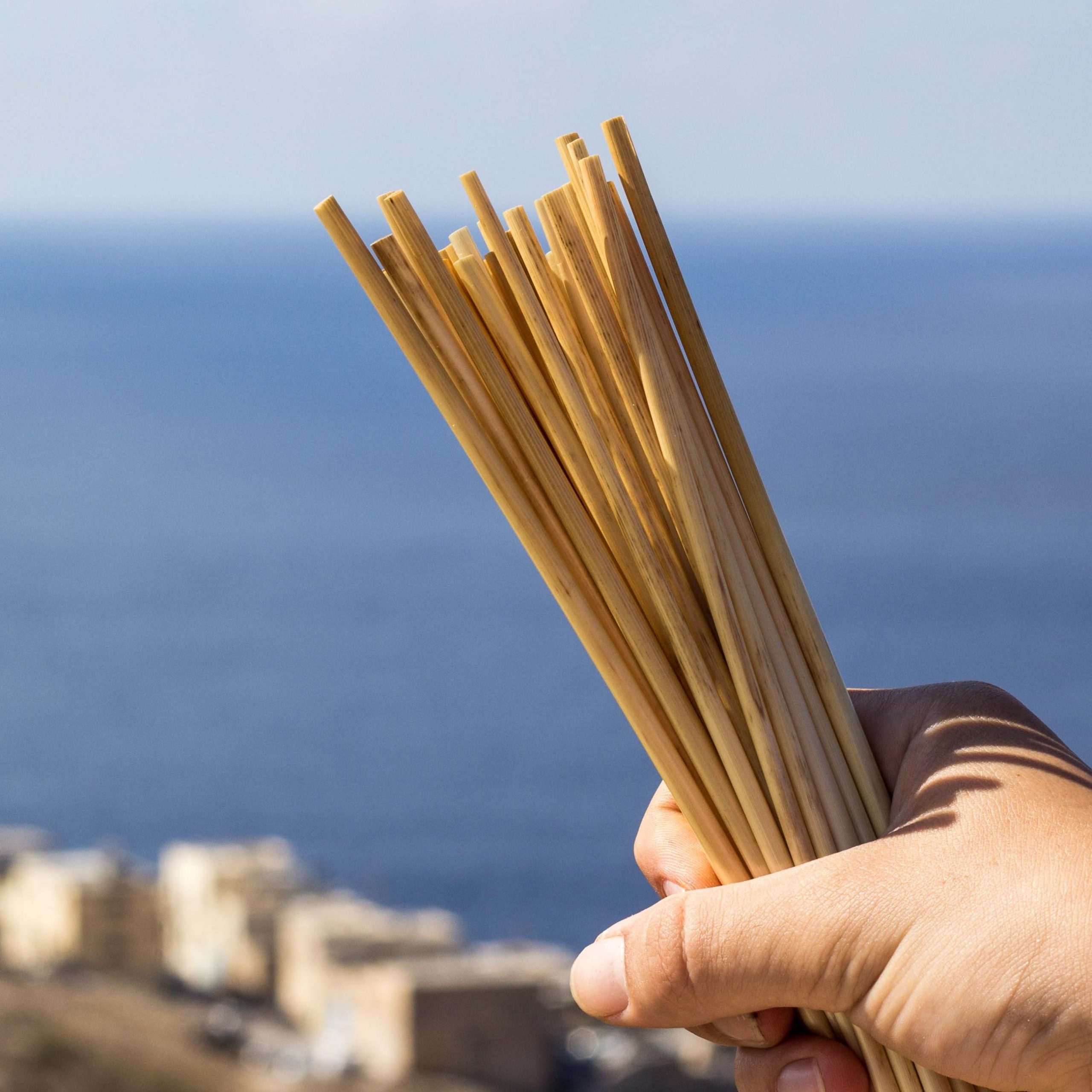
Indeed, our straws are made from natural straw stems;  

100% Plastic free packaging  
100% Gluten-free 
100% Organic  
100% Vegan 
100% Eco-friendly  

They can be disposed in organic bins and even thrown away into the sea, they destroy themselves without polluting.  
Perfect for cocktails, smoothies, hot & soft drinks, our straws help the environment by polluting less. So you can enjoy while taking a step towards a healthier and greener environment.  

straw straws
www.replant.mt

Preservation of our environment is not a liberal or conservative challenge; it’s common sense.”

President Ronald Reagan (1911-2004), State of the Union address, 1984

What does sustainable living mean? 

According to substainablejungle.com : “Sustainable living is a practical philosophy that aims to reduce personal and societal environmental impact by making positive changes which counteract climate change and other negative environmental concerns. More simply, sustainable living is a method of reducing one’s “carbon footprint”.
It means using clean energy by reducing your use of natural and non-recyclable resources, basically anything that you know to be environmentally-friendly.  

More than that, by choosing to be more sustainable and more green, even by a small measure, you’re ensuring your own future.